check your insurance and your risk
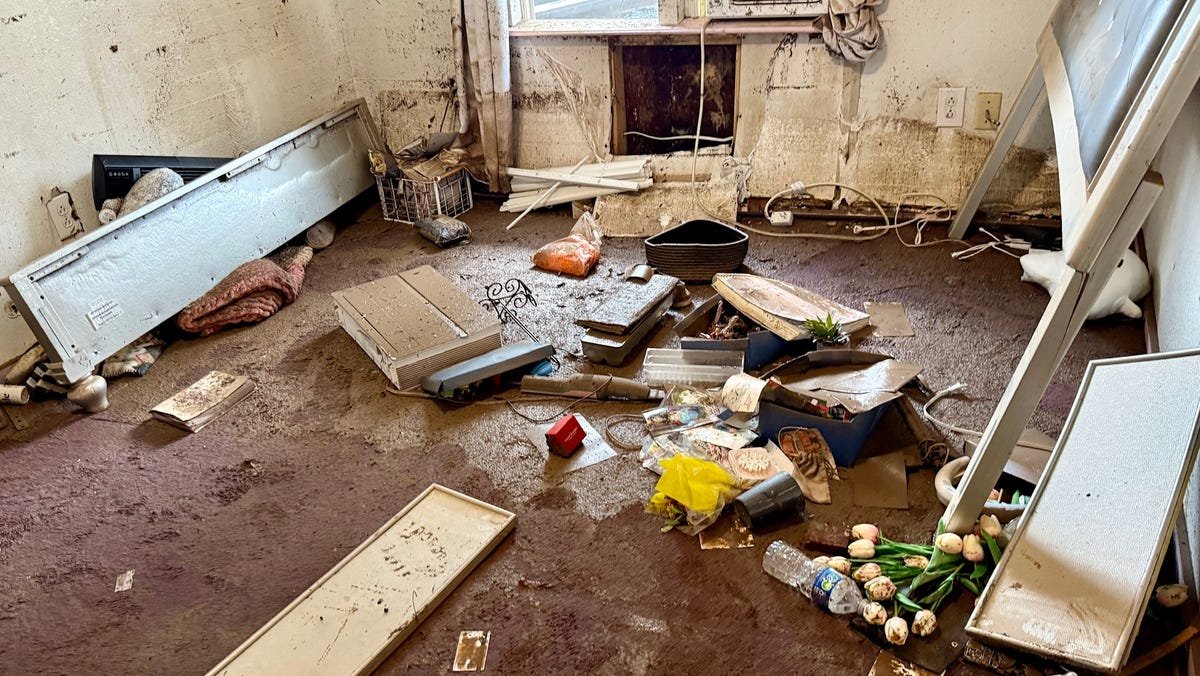
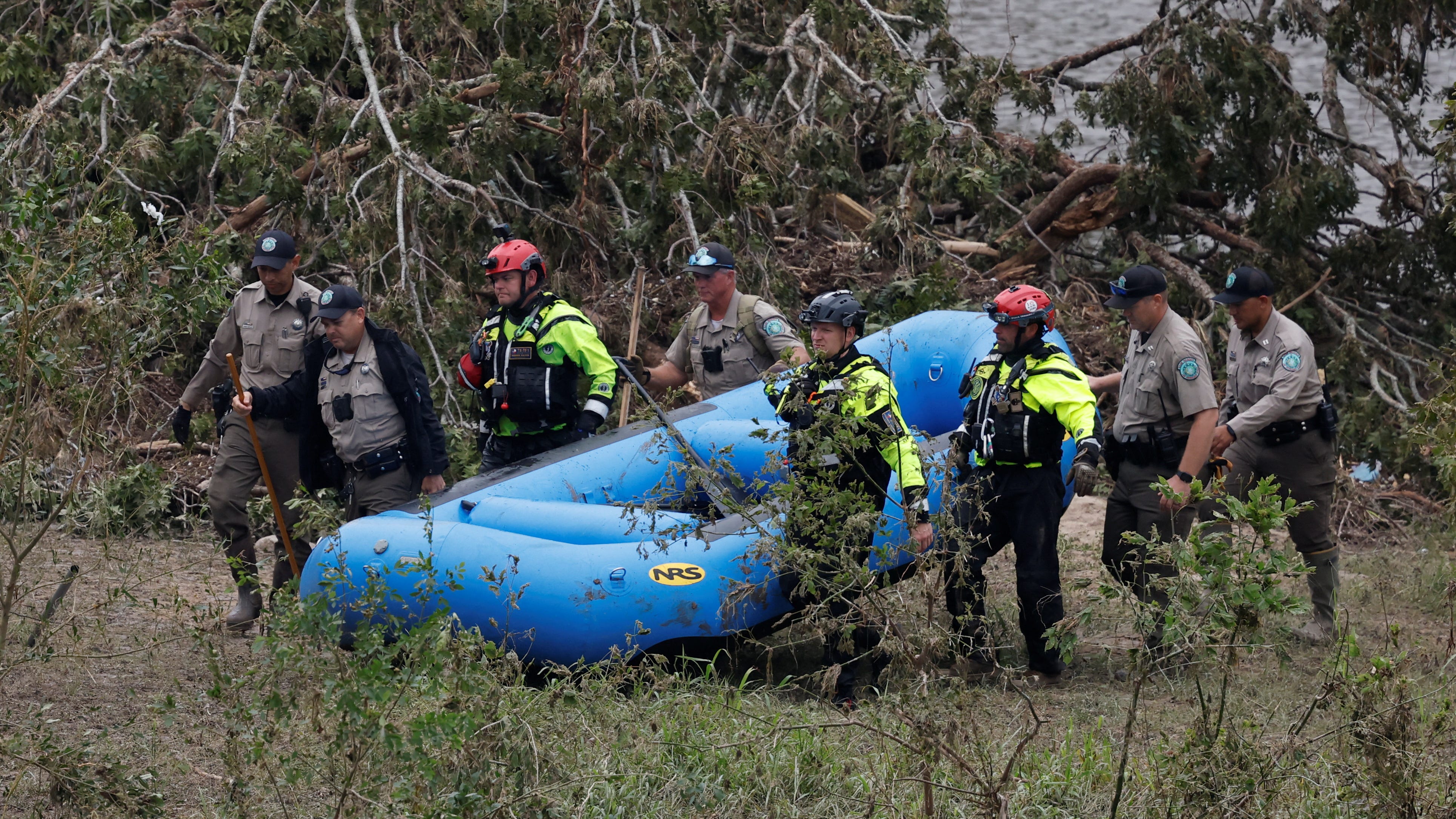

Texans mourn victims killed in deadly flash flooding
Texans have been mourning those killed in the deadly flash flooding over the weekend and helping with recovery efforts.
As a desperate search for survivors continues in the areas of Texas walloped by weekend floods, one reality persists: Americans and their properties are not prepared for the severe-weather impacts of a changing climate.
Late in the day on July 7, the death toll stood at 90, including at least 27 children and counselors from Camp Mystic, an all-girls summer camp in Kerr County. At least 10 girls and one counselor remain missing, Kerr County Sheriff Larry Leitha said at a news conference Monday.
“One of the more devastating things about this event was that it was known risk,” said Jeremy Porter, head of climate implications at real estate data provider First Street, in an interview with USA TDOAY. Camp Mystic was right on the edge of a Special Flood Hazard Area, as designated by the Federal Emergency Management Agency, Porter noted. And in 1987 10 teens at a camp in the same area were killed by the same causes: a sudden onset of heavy precipitation leading to flash flooding from the same river that surged this weekend.
But even knowing the risks may not be enough to protect American homeowners.
In Kerr County, where Camp Mystic is located, only 2,650 properties fall in FEMA’s hazard area, meaning they are required to have flood insurance. Homeowners’ insurance doesn’t cover damage from flooding. First Street’s own models find 4,592 properties with what it calls “100-year risk” in the county – nearly double the number FEMA counts.
But there are no checks on whether homeowners do carry flood insurance, and experts like Porter say only about 50% of all potential affected homeowners do buy it. First Street’s models differ from FEMA’s in that they incorporate effects of extreme precipitation, which FEMA does not account for. First Street also uses climate-change models to extrapolate changing risk into the future.
Homeowners insurance can help
Even though flooding is not covered by homeowners’ insurance, the most important lesson from the weekend’s devastation is still the importance of having a policy for other disasters, said Jon Schneyer, insurance director of research and content for data provider Cotality. “Insurance is still your first line of defense when it comes to financial recovery,” Schneyer told USA TODAY.
Being properly insured – and also taking steps to mitigate damage from severe weather – can cost money now, Schneyer said, but the savings down the road in case of damage, not to mention the peace of mind, should offset those expenses.
It’s also important for homeowners to weigh the possibility of extreme weather in some areas of the country, like the South, against the relatively more affordable housing costs there, Schneyer said. He encourages homeowners to do everything they can to understand their risk levels, rather than simply assuming that lying outside a FEMA flood zone makes a property safe.
“Low risk does not mean no risk.”
Share this content:




Post Comment