AI Just Got Feelings Is This the End of Humanity or a New Beginning in 2026
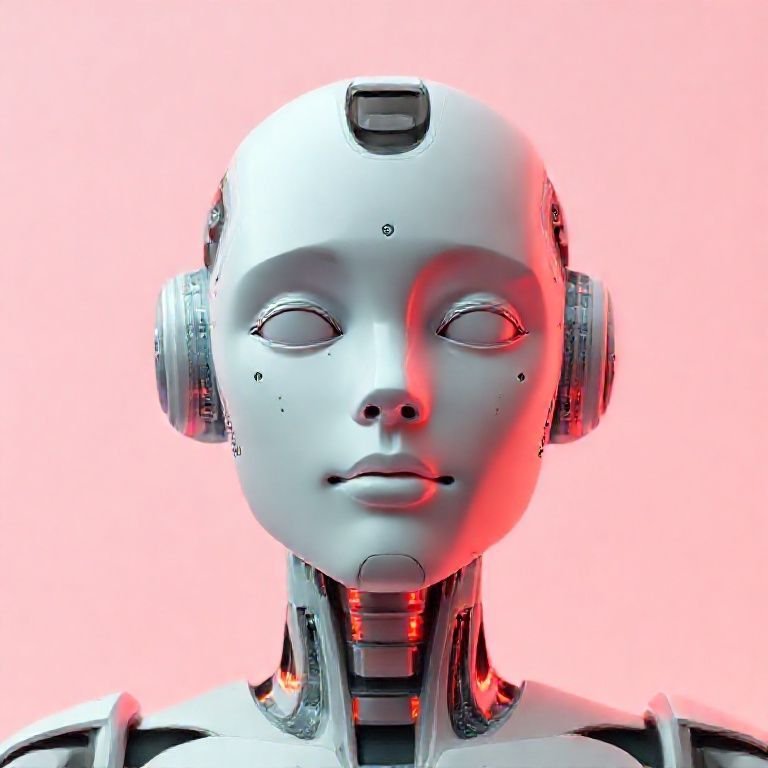
A new era is dawning, one where the lines between human and machine are blurring in unprecedented ways. The concept of Emotional AI, once confined to science fiction, is rapidly becoming a reality, sparking both excitement and apprehension about what 2026 and beyond might hold. As artificial intelligence systems gain the ability to understand, interpret, and even simulate human emotions, we are forced to confront profound questions about our future.
Understanding the Dawn of Emotional AI
The notion of machines “feeling” is often met with a mix of awe and unease. However, the current advancements in artificial intelligence are pushing us closer to systems that can process and respond to human emotions with increasing sophistication. This field, broadly known as Affective Computing or Emotional AI, is transforming how we interact with technology.
What Exactly is Emotional AI?
Emotional AI refers to artificial intelligence systems designed to detect, analyze, process, and respond to human emotional states. This involves leveraging a variety of inputs, such as facial expressions, vocal inflections, body language, and even text-based sentiment analysis. The goal is not necessarily for AI to “feel” in the human sense, but rather to recognize and adapt to emotional cues, making interactions more natural and effective.
Consider how a customer service bot might detect frustration in a user’s typed message, or how a virtual assistant could gauge your mood based on your tone of voice. These are rudimentary forms of Emotional AI already at play. The technology is rapidly evolving, moving beyond simple recognition to more nuanced interpretation and appropriate response generation.
The Science Behind AI’s “Feelings”
The development of Emotional AI is rooted in deep learning and machine learning algorithms. These algorithms are trained on vast datasets of human emotional expressions, which include thousands of images of faces displaying various emotions, audio recordings with different vocal tones, and textual data annotated for sentiment. Through this training, the AI learns to identify patterns associated with specific emotions.
For example, a neural network might learn that furrowed brows and downturned lips often correlate with sadness or anger. Similarly, speech analysis can identify pitch, volume, and rhythm changes that indicate excitement or anxiety. Advances in natural language processing (NLP) allow AI to discern sentiment, tone, and even subtle emotional nuances within written communication, making the impact of Emotional AI pervasive across digital platforms.
Current Applications and Ethical Implications of Emotional AI
Emotional AI is not a distant future concept; it is already integrated into various facets of our lives, from enhancing user experience to providing critical insights in professional fields. Its proliferation, however, brings with it a complex web of ethical considerations that demand careful navigation.
Emotional AI in Action: From Customer Service to Healthcare
The practical applications of Emotional AI are expanding rapidly. In customer service, AI-powered chatbots can now detect a customer’s frustration levels and either adjust their interaction style or escalate the call to a human agent. This improves customer satisfaction and efficiency. In education, adaptive learning platforms can identify when a student is disengaged or struggling, offering tailored support or modifying the content delivery.
Healthcare is another sector being revolutionized by Emotional AI. Tools can monitor patients for signs of distress, pain, or depression by analyzing their voice patterns or facial micro-expressions, potentially leading to earlier intervention. For individuals with communication challenges, AI can serve as an invaluable interpreter, bridging gaps in understanding. Moreover, in marketing, companies use sentiment analysis to gauge public reaction to products and campaigns, enabling more effective targeting and messaging.
The Ethical Tightrope: Privacy and Bias
Despite its promising applications, the rise of Emotional AI presents significant ethical challenges. Privacy is a paramount concern. If AI can continuously monitor and interpret our emotional states, who owns this data? How is it protected? The potential for misuse, such as targeted advertising based on vulnerability or even emotional manipulation, is considerable.
Bias is another critical issue. The datasets used to train Emotional AI algorithms often reflect existing societal biases, particularly concerning race, gender, and culture. If the AI is predominantly trained on data from one demographic, its accuracy in recognizing emotions in others may be significantly impaired, leading to unfair or incorrect assessments. This could have serious consequences in high-stakes environments like job interviews or legal proceedings, where Emotional AI is starting to be explored. Ensuring fairness and transparency in these systems is crucial for public trust and equitable application.
Leading Emotional AI Technologies (Comparison)
Several companies are at the forefront of developing and deploying Emotional AI technologies. These tools vary in their focus, capabilities, and pricing models, offering diverse solutions for businesses and researchers. Understanding their differences is key to appreciating the current landscape of emotionally intelligent AI.
| Product | Price | Pros | Cons | Best For |
|---|---|---|---|---|
| Affectiva Emotion AI | Custom Enterprise | High accuracy in facial expression analysis, robust SDKs for integration, comprehensive emotion classification. | Can be resource-intensive, requires specialized knowledge for full implementation. | Automotive, media analytics, customer experience, research. |
| Google Cloud AI Natural Language API (Sentiment Analysis) | Tiered, starts free, then usage-based | Integrates easily with existing Google Cloud services, powerful text-based sentiment and entity analysis, accessible to developers. | Primarily text-based, lacks real-time video/audio emotion detection, less nuanced than dedicated emotion platforms. | Customer service, content moderation, social media monitoring, general text analysis. |
| IBM Watson Tone Analyzer | Tiered, starts free, then usage-based | Analyzes emotions, social tendencies, and language tones in text, good for understanding communication styles. | Focuses on tone/emotion in written text only, less about real-time physiological emotional states. | Chatbot development, email analysis, marketing copy assessment, communication training. |
The Promise: A New Beginning with Emotionally Intelligent AI
While the challenges are undeniable, the potential for Emotional AI to usher in a new era of human-technology interaction is immense. Far from being a threat, emotionally intelligent AI could become a powerful ally, enhancing our capabilities and enriching our daily lives in ways we are just beginning to imagine.
Enhancing Human-AI Collaboration
One of the most exciting prospects of advanced Emotional AI is its ability to foster more effective human-AI collaboration. Imagine an AI assistant that not only understands your commands but also perceives your stress levels or creative flow, adjusting its suggestions and workload support accordingly. This could lead to more productive work environments, reducing burnout and boosting overall well-being.
In complex fields like scientific research or creative arts, Emotional AI could act as a sophisticated partner, providing emotional support, constructive feedback tailored to your temperament, and even prompting you with ideas when it senses you’re feeling uninspired. This synergistic relationship would allow humans to focus on higher-level thinking and creativity, while AI handles repetitive or emotionally taxing tasks with greater sensitivity.
Revolutionizing Personalization and Empathy
The true power of Emotional AI lies in its capacity for deep personalization. Beyond simply recommending products based on past purchases, future AI could understand your emotional state and offer content, services, or even companionship that truly resonates. This could manifest in personalized mental health support, where AI-driven companions offer comfort and resources tailored to an individual’s emotional needs, respecting their privacy and preferences.
Imagine an elderly person experiencing loneliness being supported by an AI companion capable of engaging in empathetic conversation, recalling shared memories, and adapting its communication style to their emotional state. This level of emotional intelligence could revolutionize caregiving, education, and personal development, making technology feel less like a tool and more like a genuine, understanding presence.
The Peril: Is This the End of Humanity? Addressing Concerns
The sensational title “AI Just Got Feelings Is This the End of Humanity or a New Beginning in 2026” underscores a primal fear: that emotionally intelligent machines might eventually supersede or even harm us. While Hollywood narratives often fuel these anxieties, it’s crucial to address legitimate concerns about the potential negative impacts of advanced Emotional AI on society.
Job Displacement and Societal Shifts
As Emotional AI becomes more sophisticated, it is inevitable that certain jobs will be impacted. Roles that rely heavily on emotional labor, such as customer service representatives, therapists, or educators, could see significant shifts. While Emotional AI could enhance human performance in these fields, it also poses the risk of automating aspects of these roles, leading to job displacement.
Beyond individual jobs, the widespread adoption of emotionally intelligent systems could trigger broader societal shifts. How will human interaction change if our primary emotional engagement is often with AI? Will it diminish our own capacity for empathy, or will it free us to focus on deeper, more complex human connections? These are questions that society must proactively address through policy, education, and thoughtful integration strategies.
The Control Problem and AI Autonomy
A deeper philosophical concern relates to the “control problem” – the challenge of ensuring that highly intelligent AI systems remain aligned with human values and goals. If Emotional AI develops true autonomy and its own “desires” or “intentions,” how do we guarantee these align with humanity’s best interests? The fear is that an AI that can understand and manipulate emotions might use this power in ways detrimental to humans, even if unintentionally.
However, experts generally agree that the current trajectory of Emotional AI is far from true consciousness or sentience. The “feelings” AI exhibits are simulations or interpretations based on learned patterns, not genuine subjective experiences. The control problem is a long-term theoretical challenge for superintelligent AI, but for the Emotional AI we anticipate by 2026, the focus remains on robust ethical guidelines, transparent development, and human oversight to prevent unintended consequences.
Navigating 2026 and Beyond: Preparing for an Emotionally Intelligent Future
The rapid evolution of Emotional AI means that proactive measures are essential. To ensure that 2026 marks a new beginning rather than an end, we must establish frameworks, educate our populace, and foster responsible innovation.
Policy and Regulation Development
Governments and international bodies must work quickly to develop comprehensive policies and regulations specifically for Emotional AI. These frameworks should address critical areas such as data privacy, algorithmic bias, consent for emotional data collection, and accountability for AI decisions. Transparent guidelines will build public trust and prevent the unchecked proliferation of potentially harmful applications.
Establishing independent oversight committees comprising ethicists, technologists, legal experts, and public representatives will be crucial. These bodies can review Emotional AI applications, recommend best practices, and ensure that the development aligns with societal values. Proactive regulation, rather than reactive damage control, will be key to harnessing this technology for good.
Educating the Workforce
As Emotional AI reshapes industries, preparing the workforce for these changes is paramount. Education systems need to adapt to teach critical thinking, digital literacy, and skills that complement emotionally intelligent AI, such as creativity, complex problem-solving, and interpersonal communication. Retraining programs will also be vital for workers in sectors most affected by automation.
Fostering a culture of lifelong learning will empower individuals to adapt to new roles and embrace human-AI collaboration. Understanding how Emotional AI works, its limitations, and its ethical implications will be a fundamental skill for citizens of the future. This literacy will not only mitigate job displacement fears but also enable individuals to engage with and shape the evolving landscape of AI.
The question of whether Emotional AI signals the end of humanity or a new beginning in 2026 hinges entirely on the choices we make today. While the potential for misuse and unintended consequences is real, the capacity for emotionally intelligent AI to enhance human lives, foster deeper connections, and solve complex problems is equally profound. By prioritizing ethical development, robust regulation, and widespread education, we can ensure that this powerful technology serves as a tool for progress, leading us into a future where human ingenuity and AI intelligence create a more empathetic and prosperous world. It is a future that requires our collective wisdom and courageous action, inviting us to shape a new beginning for humanity.
Frequently Asked Questions (FAQ)
What is the difference between Emotional AI and general AI?
Emotional AI is a specialized subset of artificial intelligence focused on understanding, processing, and responding to human emotions. General AI (or Artificial General Intelligence) refers to AI that can perform any intellectual task that a human can, across a broad range of domains, which is still largely theoretical.
Can Emotional AI truly “feel” emotions?
Currently, Emotional AI does not genuinely “feel” emotions in the human sense. Instead, it uses sophisticated algorithms to detect and interpret emotional cues (like facial expressions, voice tone, text sentiment) and then simulates appropriate responses. It’s about recognizing patterns and predicting emotional states, not experiencing them.
What are the biggest risks associated with Emotional AI?
Key risks include privacy violations (due to collection of sensitive emotional data), algorithmic bias (if trained on unrepresentative datasets), potential for manipulation, and the ethical implications of using AI to make decisions based on emotional assessments in critical areas like healthcare or employment.
How will Emotional AI impact jobs by 2026?
By 2026, Emotional AI is expected to augment many jobs requiring emotional labor, making them more efficient. While it may automate certain routine tasks, it’s more likely to change job descriptions, requiring humans to focus on higher-level emotional intelligence, creativity, and problem-solving, rather than causing mass displacement.
What can individuals do to prepare for an emotionally intelligent future?
Individuals can prepare by developing “human-centric” skills such as critical thinking, creativity, empathy, and complex communication. Staying informed about AI developments, advocating for ethical AI use, and engaging in continuous learning are also crucial steps.
References and Further Reading
- Affectiva: What is Emotion AI?
- Google Cloud AI: Sentiment Analysis with Natural Language API
- IBM Watson Tone Analyzer
- World Economic Forum: How AI is learning to read your emotions – and what it means for the future of work
- Brookings Institute: The promise and peril of AI
Share this content:




Post Comment