
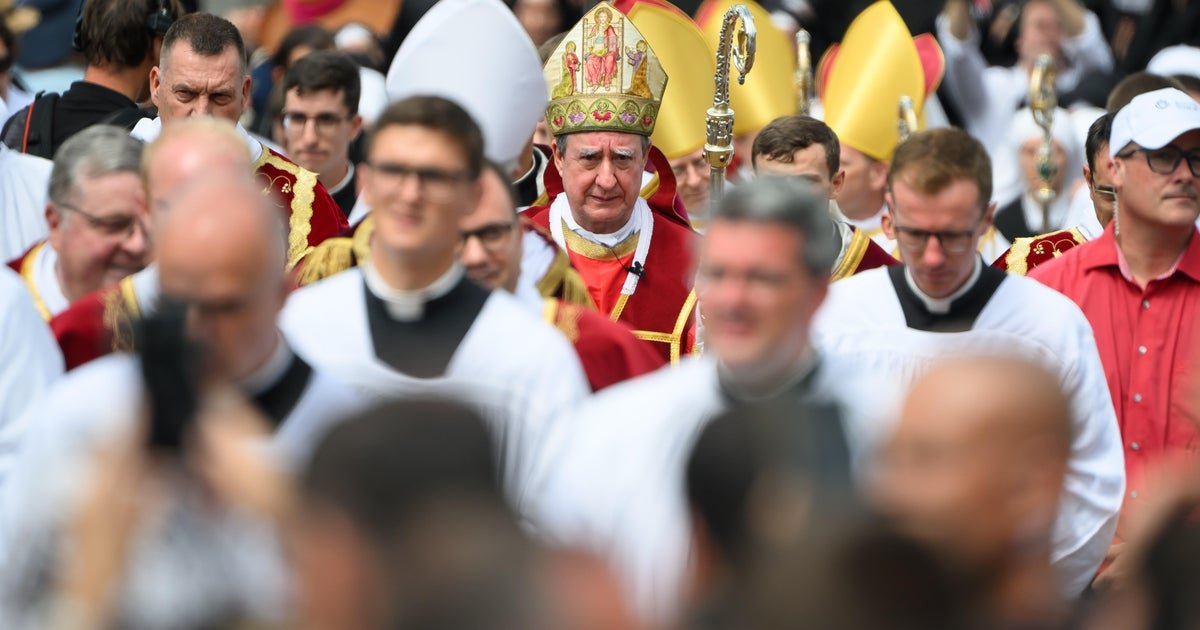
Rome — The Vatican announced Thursday that six bishops affiliated with the ultraconservative Society of St. Pius X (SSPX) had been excommunicated after the unauthorized consecration of four new bishops the day before in Econ, Switzerland.
The consecration was carried out without the approval of Pope Leo XIV. According to Catholic canon law, only the Pope can authorize the consecration of new bishops.
The Vatican said two consecrating bishops and four newly ordained bishops — including one American — suffered “latae sententiae” (automatic) excommunication. The Church further declared that the ordinations constituted a “schismatic act” that represented a formal break in church communion.
Harold Cunningham/Getty 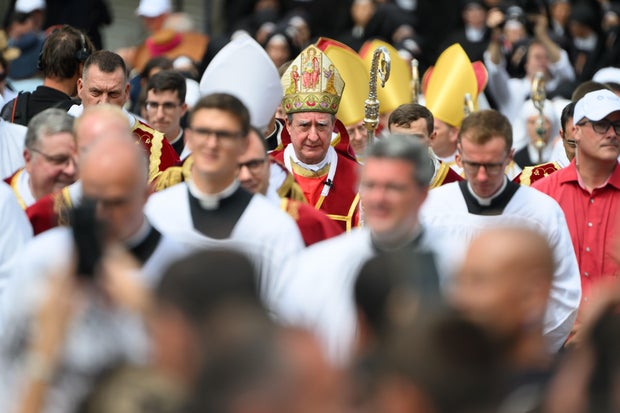

Excommunication is one of the most serious punishments that the leadership of the Catholic Church can impose. It forbids Catholics to receive any sacraments of the Church, such as baptism, communion or marriage.
Going even further, the Vatican warned members of the SSPX that those who consciously and formally adhere to society leave themselves outside of full communion with the Church.
The Apostolic See also revoked the authority previously granted to SSPX priests to validly celebrate the sacraments of confession and marriage, meaning that these sacraments are no longer recognized as valid when administered by SSPX clergy.
On the eve of the consecrations, Pope Leo made a final call for unity, writing personally to the Superior General of the Society.
“I’m begging you and I’m begging you with all my heart: please turn back!” wrote Leo, the first US-born pontiff.
ALBERTO PIZZOLI/AFP/Getty 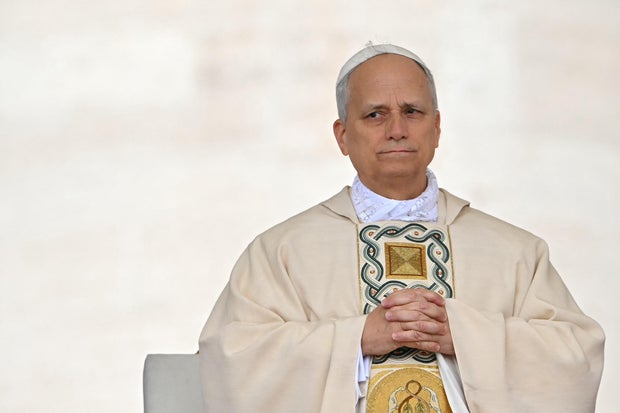
The SSPX was founded in the 1970s by French Archbishop Marcel Lefebvre in response to the liturgical and theological reforms that followed the Second Vatican Council. The society sought to preserve the traditional Latin Mass and what it believed to be the historic teachings of the Catholic Church.
Although initially established with the approval of the Vatican, relations with Rome steadily deteriorated as the SSPX rejected key aspects of the Council, particularly its teachings on religious freedom, interfaith unity and episcopal collegiality – or the principle that bishops collectively share responsibility for governing the Church.
The current schism echoes events nearly four decades ago, when Archbishop Lefebvre consecrated four bishops without papal approval in 1988, leading to automatic excommunication.
Pope Benedict XVI lifted the personal excommunication of the surviving bishops in 2009 as part of efforts to promote reconciliation, but the society’s canonical status remains unresolved.
Over the past five decades, the SSPX has grown into a worldwide movement with approximately 600,000 adherents. He runs seminaries, schools, retreat centers and hundreds of chapels around the world.
In the United States, the SSPX is headquartered in Kansas and operates St. Thomas Aquinas Seminary in Dillwyn, Virginia, which serves a network of chapels and schools across the country.
The society claims to have 25,000 followers in the US
An estimated 15,000 people gathered in Ekon on Wednesday to witness the episcopal ordinations.
Expressing sadness over the breakup, the Holy See said it continues to pray that members of the SSPX will one day be restored to full union with the Catholic Church.